Signs Your Door Knob Lock Replacement Can't Wait
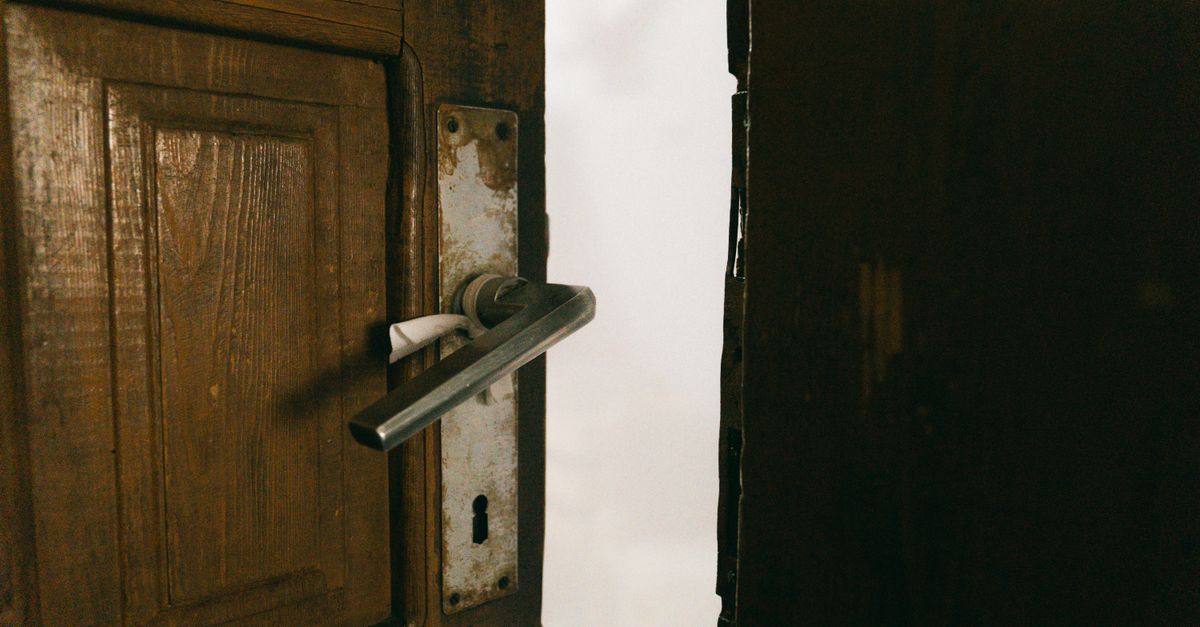
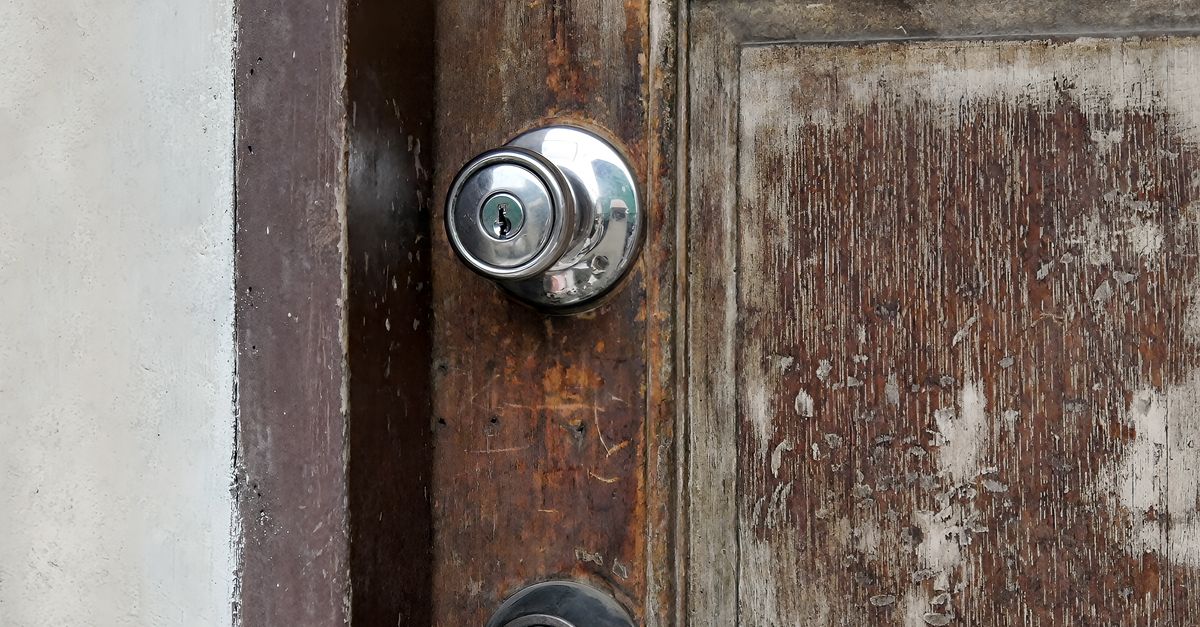
A knob lock that sticks, spins freely, or requires the key to be jiggled just right is already failing. Atlanta's climate plays a real role here — the humid summers expand wooden door frames and the occasional hard freeze in winter contracts metal cylinders, accelerating wear in ways that a dry-climate city simply wouldn't see. If you live near the BeltLine's Eastside Trail or in one of the older Craftsman homes in Ormewood Park, you may have original knob hardware that has been in service for decades. Symptoms to watch for include a latch bolt that no longer retracts smoothly, visible corrosion or pitting on the cylinder face, a knob that has developed lateral wobble, a keyway that feels gritty or resistant, or a lock that you've had to force shut more than once this month. Any of these signs means the internal mechanism is close to full failure — and a lock that fails in the locked position traps you inside, while one that fails in the unlocked position leaves your property exposed.
A double lock door knob setup — where both a privacy latch and a keyed cylinder share the same knob assembly — is especially vulnerable because two mechanical systems are wearing simultaneously. When one component degrades, it puts additional stress on the other. Our technicians evaluate the full assembly, not just the visible hardware, before recommending a replacement strategy. We also check the strike plate alignment and door frame condition, because a misaligned frame is often the hidden reason a knob lock keeps wearing out prematurely.