What a Professional Access Control Installation Actually Involves
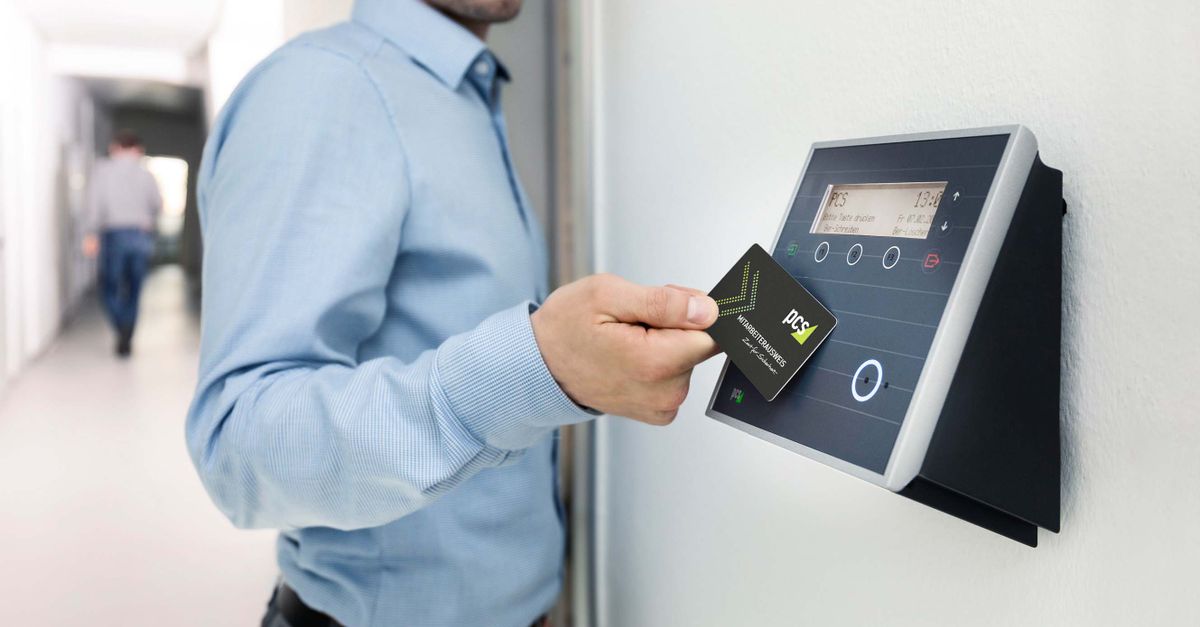
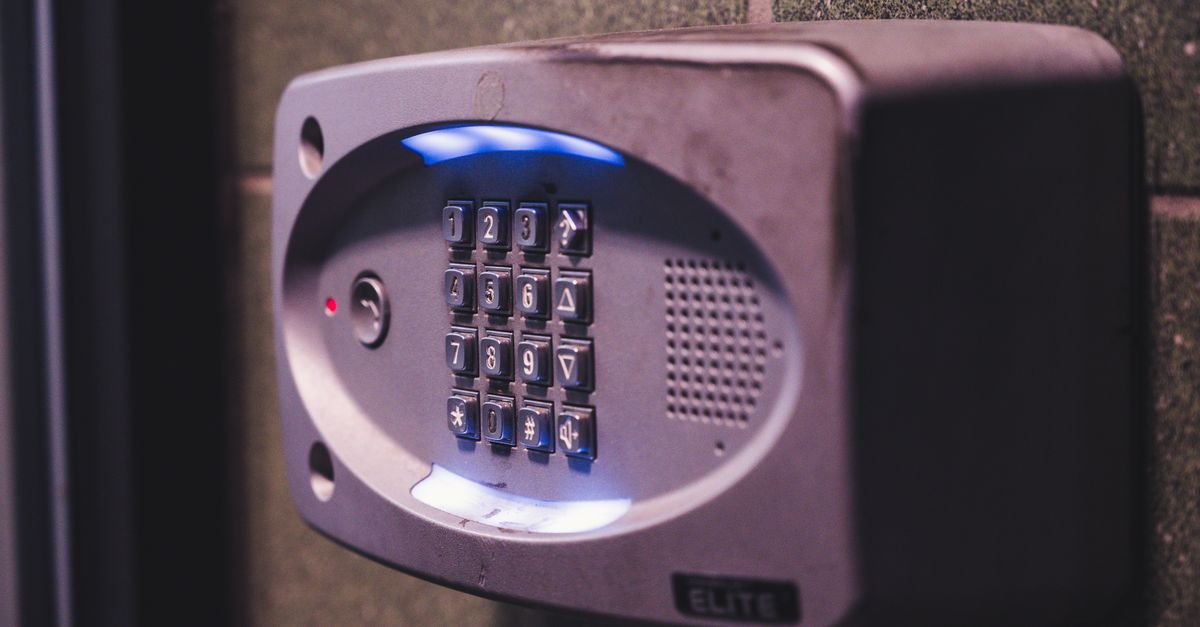
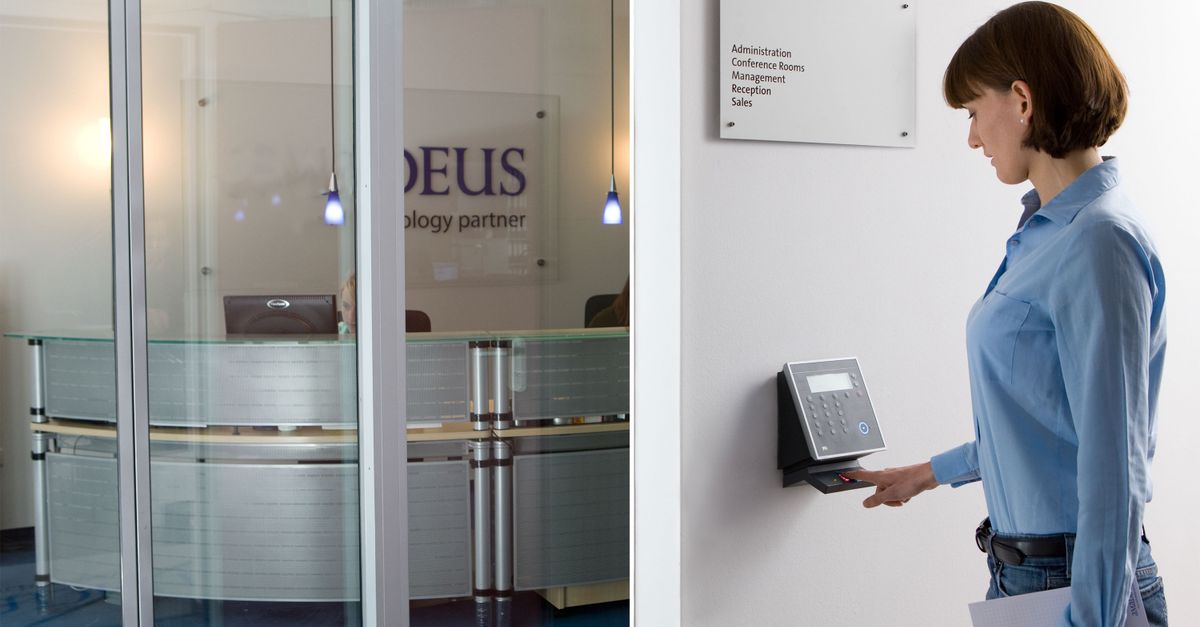
Access control is not a single product — it is a system where several components must work together precisely. A keypad entry system, for example, pairs a surface-mounted or flush keypad with an electric strike or magnetic lock at the door frame, a power supply unit, and in many cases a back-end controller that logs entry events. A fob or proximity card system adds a reader and credentials that can be individually deactivated the moment an employee leaves. Mortise lock access control setups go a step further, embedding the locking mechanism directly into the door body so the bolt, latch, and strike all communicate with the access control signal — giving you the mechanical robustness of a commercial mortise lock combined with the convenience of credential-based entry. Our technicians assess your door type, frame material, and traffic volume before recommending which combination makes sense for your specific location.
The access control mortise lock is particularly popular in Atlanta's older commercial corridors — think the converted brick buildings along Memorial Drive or the historic storefronts near Inman Park — because the mortise body fits inside the door edge rather than sitting on the surface, making it harder to tamper with and far more durable under heavy daily use. We source and install mortise lock hardware from trusted manufacturers, drill and chisel precisely to minimize door damage, wire the strike or solenoid correctly to your power supply, and test every function before we leave. We also handle the complete programming of access codes, fob credentials, and time-zone restrictions so the system is fully operational the moment we pack up.